Every ecommerce store faces the same fundamental challenge: convincing a stranger on the internet to hand over their credit card number for a product they've never touched, tasted, or tried. That's a big ask, and the brands that do it well aren't just the ones with the best marketing — they're the ones that have figured out how to build trust before the checkout button gets clicked.
Third-party testing is one of the most underused and most powerful tools for building that trust. Not because it's flashy or trendy, but because it taps into something fundamental about how humans evaluate risk and make purchasing decisions.
The Trust Gap in Online Shopping
When someone walks into a physical store, trust is built through a dozen small signals: the cleanliness of the space, the knowledgeable staff, the ability to pick up and inspect a product, the fact that the store has a physical location and a reputation in the community. Online shopping strips away almost all of those signals.
A 2023 survey by Edelman found that 71% of consumers said they need to trust a brand before they'll buy from it, and that number climbs higher for health, wellness, and ingestible products. Another study by Salsify reported that 46% of US consumers will pay more for a brand they trust. Trust isn't just a feel-good metric — it directly impacts revenue.
So how do you bridge that trust gap? Product reviews help. A well-designed website helps. A generous return policy helps. But none of those things answer the deeper question that customers in certain categories are really asking: Is this product actually what you say it is?
Why Third-Party Testing Hits Different
There's a concept in behavioral psychology called the credibility heuristic — people assign more weight to claims that come from sources perceived as independent and unbiased. This is why news articles are more persuasive than ads, why academic citations carry more weight than blog posts, and why third-party testing is more convincing than anything you could write on your own product page.
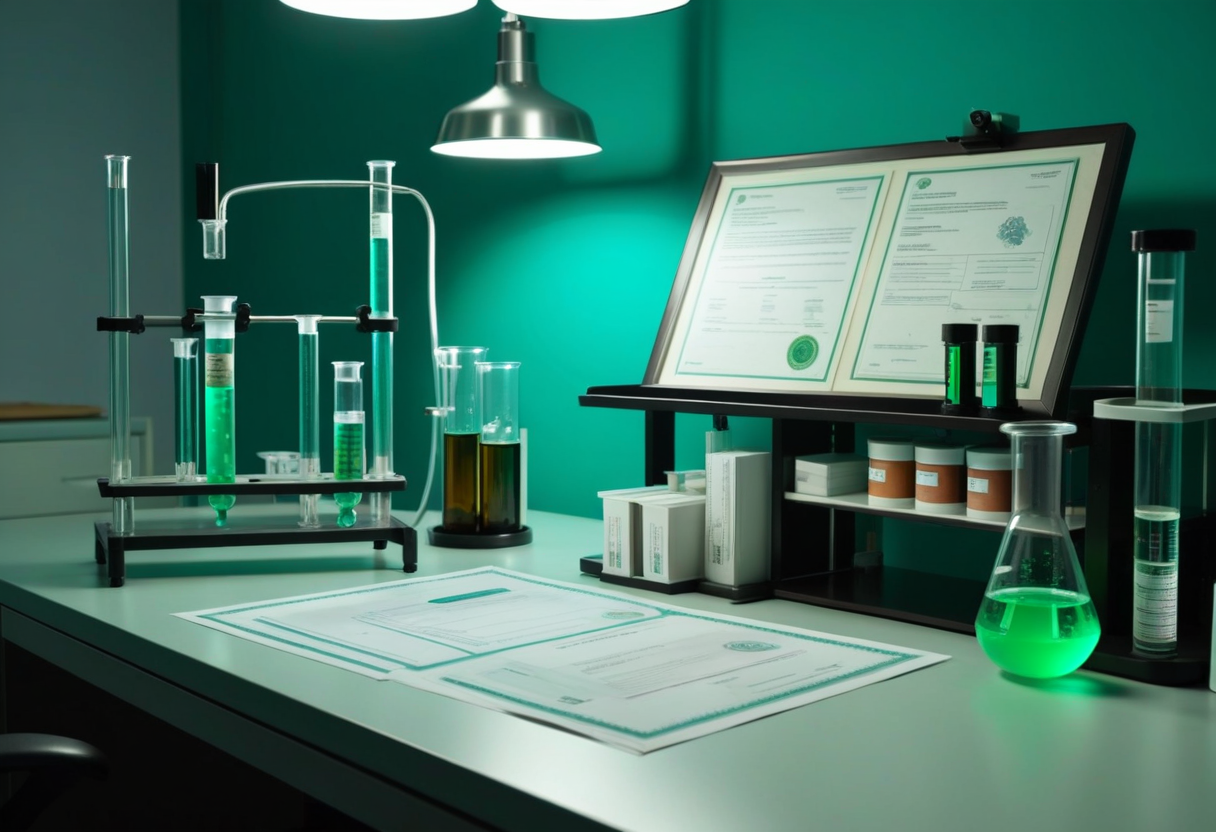
When you say "our CBD oil contains 1000mg of CBD," that's a marketing claim. When an ISO-accredited lab says it, that's evidence. The distinction matters enormously to the growing segment of consumers who do their research before buying.
Third-party testing works because it introduces an independent verifier into the trust equation. The lab has no financial stake in whether your product sells. Their reputation depends on accurate results. Customers understand this intuitively, even if they couldn't articulate the psychology behind it.
The Transparency Premium
Here's something that often surprises brands: transparency about testing doesn't just prevent lost sales — it actively drives higher conversion rates and justifies premium pricing.
A study published in the Journal of Consumer Research found that brands perceived as transparent enjoyed 20-30% higher purchase intent compared to brands that shared the same amount of product information without framing it as transparency. In other words, it's not just about having the information available — it's about the signal that sharing it sends about your brand's values.
Consider two CBD brands selling identical products at similar prices. Brand A lists its CBD content and says "third-party tested" somewhere on the page. Brand B displays the actual Certificate of Analysis with batch numbers, test dates, cannabinoid profiles, and contaminant screening results. Which brand do you trust more? Which one would you pay an extra $10 for?
The answer is obvious, and it's backed by data. Brands that display detailed test results report lower return rates, higher average order values, and stronger customer retention. The transparency premium is real.
Industries Where Testing Is a Differentiator
While third-party testing matters across ecommerce, there are categories where it's an especially powerful differentiator:
- CBD and hemp products — Lab reports are expected by educated consumers and often required by state regulations. Brands without visible COAs are increasingly viewed as suspect.
- Supplements and vitamins — The supplement industry's reputation for inconsistent quality makes third-party verification a major selling point. NSF, USP, and ConsumerLab certifications drive purchase decisions.
- Food and beverages — Especially for health-focused, organic, or allergen-free products where accuracy of claims directly impacts customer health and safety.
- Skincare and cosmetics — Clean beauty consumers actively seek out brands that test for heavy metals, parabens, and other contaminants. Dermatological testing results are highly persuasive.
- Pet products — Pet owners are fiercely protective. Brands that test and display results for pet supplements and treats earn deep loyalty from customers who treat their pets like family.
How Brands Are Using Testing to Win
Let's look at some real patterns we've observed working with ecommerce brands across these industries.
Batch-level transparency. The most sophisticated brands don't just test once and display a generic report forever. They test every batch and make batch-specific results available, often through QR codes on the product packaging or batch number lookup tools on their website. This level of specificity is extremely difficult to fake and signals a serious commitment to quality.
Testing as content marketing. Some brands create educational content around their testing process — blog posts explaining what each test measures, videos showing their lab partner's facility, breakdowns of how to read a Certificate of Analysis. This serves double duty: it educates customers and reinforces the brand's expertise and commitment to quality.
Proactive failure disclosure. This one takes courage, but brands that occasionally share when a batch didn't pass testing and was rejected actually build more trust than brands that only show perfect results. It demonstrates that the testing process is real and rigorous, not just performative.
The Cost of Not Testing
For brands that are still on the fence about whether testing is worth the investment, consider the alternative scenarios:
- A customer discovers your product doesn't contain what the label claims and posts about it on social media. In regulated industries, this can go viral fast.
- A competitor who does display test results runs a comparison against your brand, highlighting your lack of transparency.
- A regulatory body audits your claims and finds them unsubstantiated. Depending on your industry, penalties range from warning letters to product seizures to six-figure fines.
- A customer has an adverse reaction to an untested contaminant. The legal and reputational consequences can end a business.
The cost of testing — typically a few hundred dollars per product per batch — is trivial compared to any of these scenarios. It's not an expense; it's insurance that also happens to drive sales.
Making Your Results Work For You
Having test results is only half the equation. The other half is making sure your customers actually see them. A lab report buried three clicks deep in a FAQ page isn't building trust — it's barely better than not having one at all.
The most effective placement is directly on the product page, near the buy button. Customers shouldn't have to go looking for proof of quality — it should be part of the buying experience. QR codes on physical packaging that link to digital reports create a seamless bridge between the physical product and detailed verification.
We built LabLinks specifically to solve this problem for Shopify stores — making it simple to attach, display, and update lab reports on product pages. But regardless of what tool you use, the principle is the same: if you're investing in testing, make sure that investment is visible where it matters most.
For a broader look at how your overall web presence contributes to customer trust, our web design services page covers how we approach building credible, conversion-focused ecommerce sites.
If you want to explore why lab reports specifically matter for Shopify stores in regulated industries, we covered that in depth in our post on why COA lab reports matter for Shopify.
Trust Is a Competitive Moat
Here's the long-term view: trust compounds. Every customer who buys from you because they trust your transparency becomes a repeat customer and a word-of-mouth advocate. Every positive review that mentions your testing builds social proof for the next customer. Over time, this creates a competitive moat that's incredibly difficult for competitors to cross.
Third-party testing isn't a marketing gimmick. It's a structural advantage that aligns your business incentives with your customers' interests. In a market where consumers are increasingly skeptical and increasingly informed, that alignment is worth more than any ad campaign.
Ready to turn your lab reports into a trust-building asset? LabLinks displays Certificates of Analysis and test results directly on your Shopify product pages, right where customers make buying decisions.
Explore LabLinks