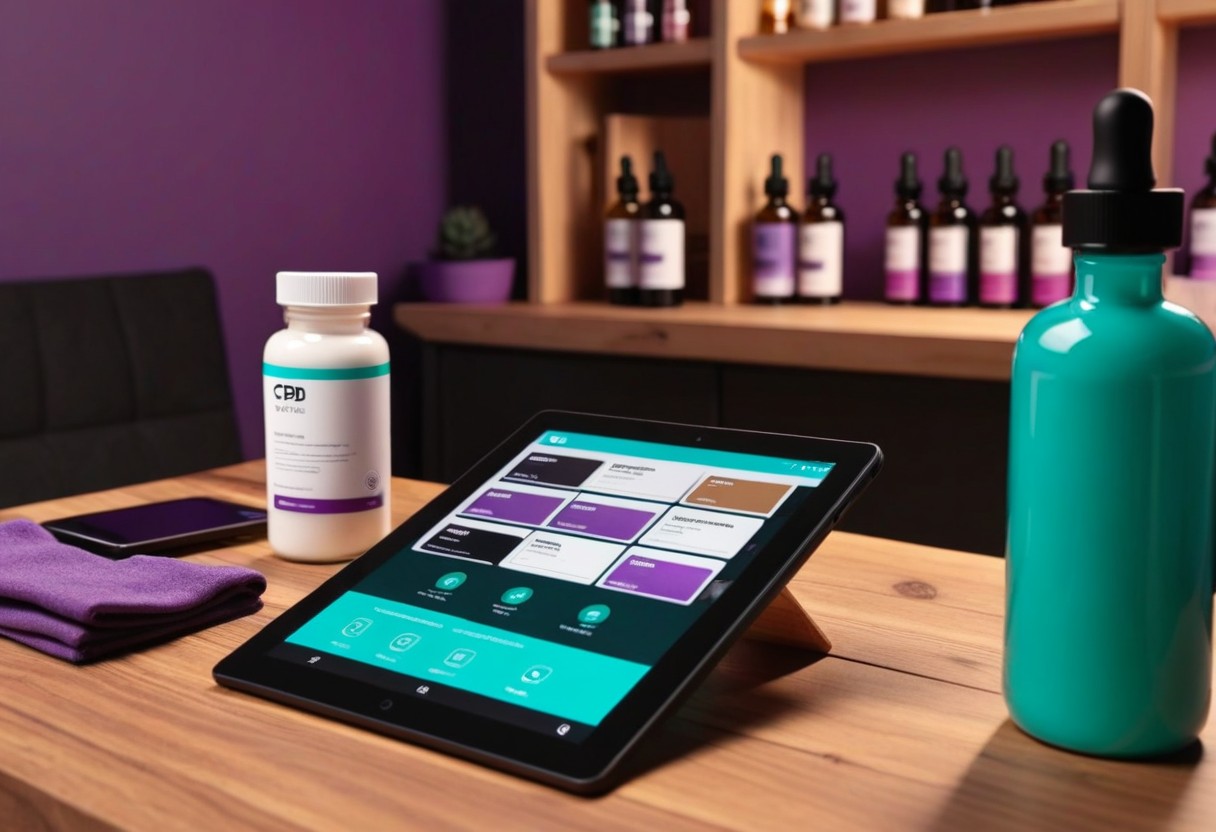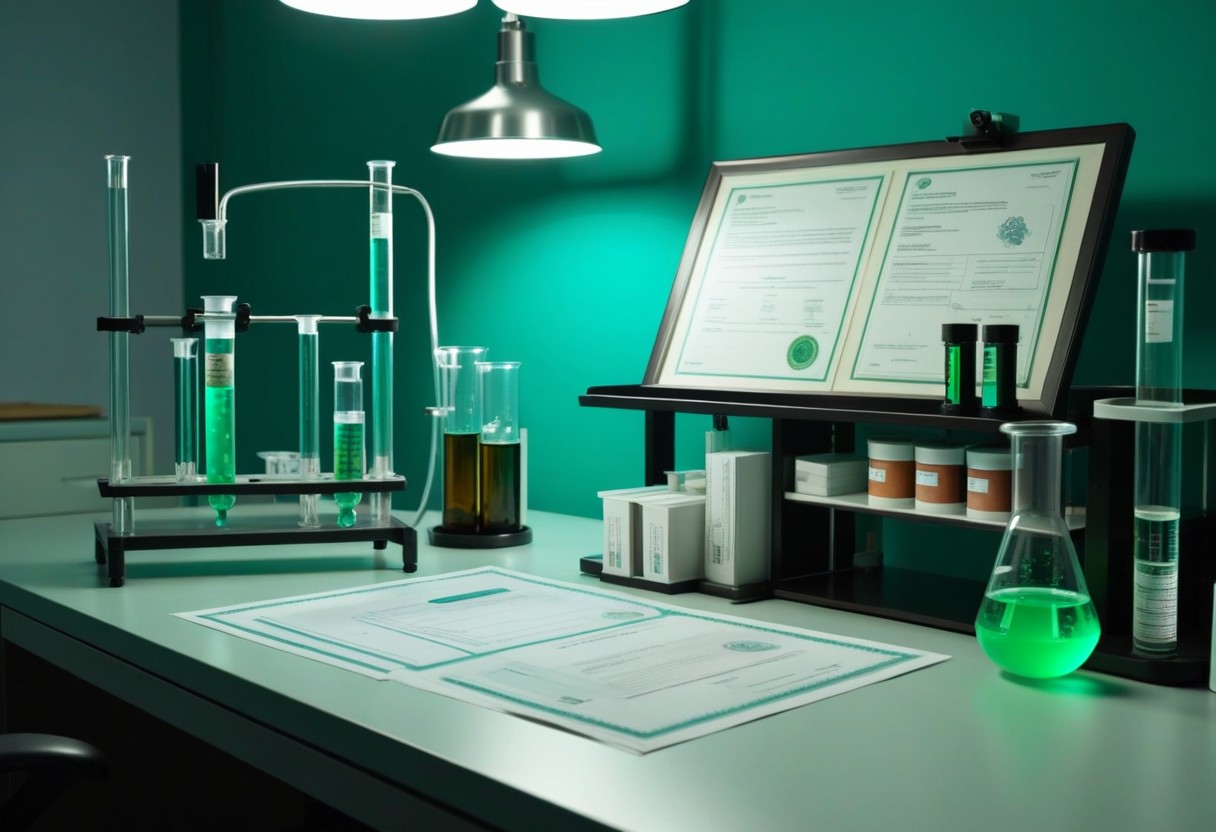
If you sell products that go in, on, or near someone's body, you've probably heard the term COA thrown around. Maybe a customer asked for one. Maybe a wholesaler required one before placing an order. Or maybe you've been testing your products all along but never thought much about what to do with the results.
Here's the thing: a Certificate of Analysis isn't just a piece of compliance paperwork. When used well, COA lab reports are one of the most powerful trust-building tools an ecommerce store can have. And if you're running your store on Shopify, making those reports visible to your customers is easier than you might think.
Let's break down what COAs actually are, why they matter so much right now, and how they can genuinely move the needle for your business.
What Is a Certificate of Analysis?
A Certificate of Analysis (COA) is a document issued by an accredited laboratory that shows the results of testing performed on a specific product batch. Depending on the product and industry, a COA might include results for potency, purity, contaminants like heavy metals or pesticides, microbial testing, and more.
Think of it as a report card for your product. It's third party proof that what's on your label matches what's in the bottle, package, or container. The key word there is third party; the testing is done by an independent lab, not by you. That independence is what gives COAs their credibility.
COA lab reports are standard practice across several industries:
- Hemp and CBD: Required by regulation in most states. Customers in this space actively look for COAs before purchasing.
- Dietary supplements: Third-party testing is increasingly expected by consumers and recommended by the FDA.
- Food and beverage: Especially for specialty, organic, or functional food products where ingredient claims need backing.
- Skincare and cosmetics: Growing consumer demand for clean beauty means testing results carry real weight.
- Pet products: Pet owners are just as discerning about what goes into their animals' bodies as their own.
The Trust Gap in Ecommerce
Here's a reality every online store owner faces: your customers can't pick up your product, read the label, or ask a store clerk questions before buying. Everything they know about your product comes from what you show them on the screen.
That creates a trust gap. And that gap costs you sales.
A 2025 survey by the Consumer Brands Association found that 73% of consumers say they're more likely to purchase from a brand that shares third party test results. Among shoppers aged 25 to 40; the demographic that drives most DTC ecommerce; that number jumps to 81%.
COA lab reports close that gap. They tell your customer: We tested this. An independent lab verified it. Here are the actual numbers. That's not marketing copy. That's evidence. And evidence converts.
How COAs Actually Drive Sales
We talk to Shopify store owners every week (it's kind of our thing, being a Shopify app team based out of Minneapolis). And the ones who display their lab results consistently report a few things:
- Lower return rates. When customers know exactly what they're getting, they're less likely to be disappointed. Fewer surprises means fewer returns.
- Higher average order values. Trust compounds. A customer who trusts your product quality is more comfortable adding another item to their cart or upgrading to a larger size.
- More repeat purchases. Transparency builds loyalty. Customers who see you're willing to show your test results come back because they feel confident in the brand.
- Stronger wholesale relationships. Retailers and distributors increasingly require COAs. Having them readily available and professionally displayed signals that you run a serious operation.
None of this is theoretical. We've watched stores go from burying PDF lab reports on a random page to prominently displaying test results on every product page; and seeing measurable improvements in conversion rate within weeks.
The Compliance Angle
Beyond the business case, there's the regulatory reality. If you sell hemp or CBD products, compliance testing isn't optional; it's the law in most jurisdictions. Products must be tested for THC content, and many states require that COAs be accessible to consumers.
The supplement industry is heading in the same direction. The FDA has been tightening enforcement on supplement labeling claims, and third party testing is the clearest way to demonstrate that your products contain what they say they contain. Having your COAs publicly available isn't just good practice; it's increasingly becoming a baseline expectation.
Even in industries where testing isn't legally required, proactively sharing lab results positions you ahead of competitors who don't. When regulations do catch up (and they usually do), you're already compliant.
What Makes a Good COA?
Not all lab reports are created equal. A strong COA should include:
- The name and accreditation of the testing laboratory (ISO 17025 is the gold standard)
- The specific product and batch or lot number tested
- The date of testing
- The analytes tested and their results with units of measurement
- Pass/fail determinations based on relevant standards
- The signature or authorization of the lab director
If your lab isn't providing all of this, it's worth having a conversation with them. A COA that's missing key information can actually undermine trust rather than build it; customers who know what to look for will notice the gaps.
Making COAs Work on Shopify
So you've got your lab reports. Now what? This is where a lot of store owners get stuck. You've got a PDF from the lab, but uploading a raw PDF and linking to it from your product page feels... underwhelming. It's not a great experience for your customer, and it doesn't do your testing investment justice.
The stores that get the most value from their COAs present them in a way that's visually integrated with their product pages. That might mean a testing badge that shows pass/fail status at a glance, a popup or expandable section with detailed results, or a dedicated lab results portal that customers can search by batch number.
That's exactly what we built LabLinks to do. It takes your lab test data and makes it part of the shopping experience; not an afterthought buried three clicks deep. But regardless of what tool you use, the principle is the same: if you're investing in lab testing, make sure your customers actually see the results.
The Bottom Line
COA lab reports aren't just about checking a compliance box. They're about showing your customers that you take quality seriously, that you're willing to prove it, and that you have nothing to hide. In a market where consumers are more informed and more skeptical than ever, that kind of product transparency isn't a nice-to-have. It's a competitive advantage.
Whether you sell CBD tinctures, protein powder, artisan hot sauce, or organic skincare; if you're testing your products, let your customers know. They'll reward you for it.
Ready to turn your lab reports into a trust-building machine? LabLinks makes it easy to display COA data right on your Shopify product pages.
Explore LabLinks